
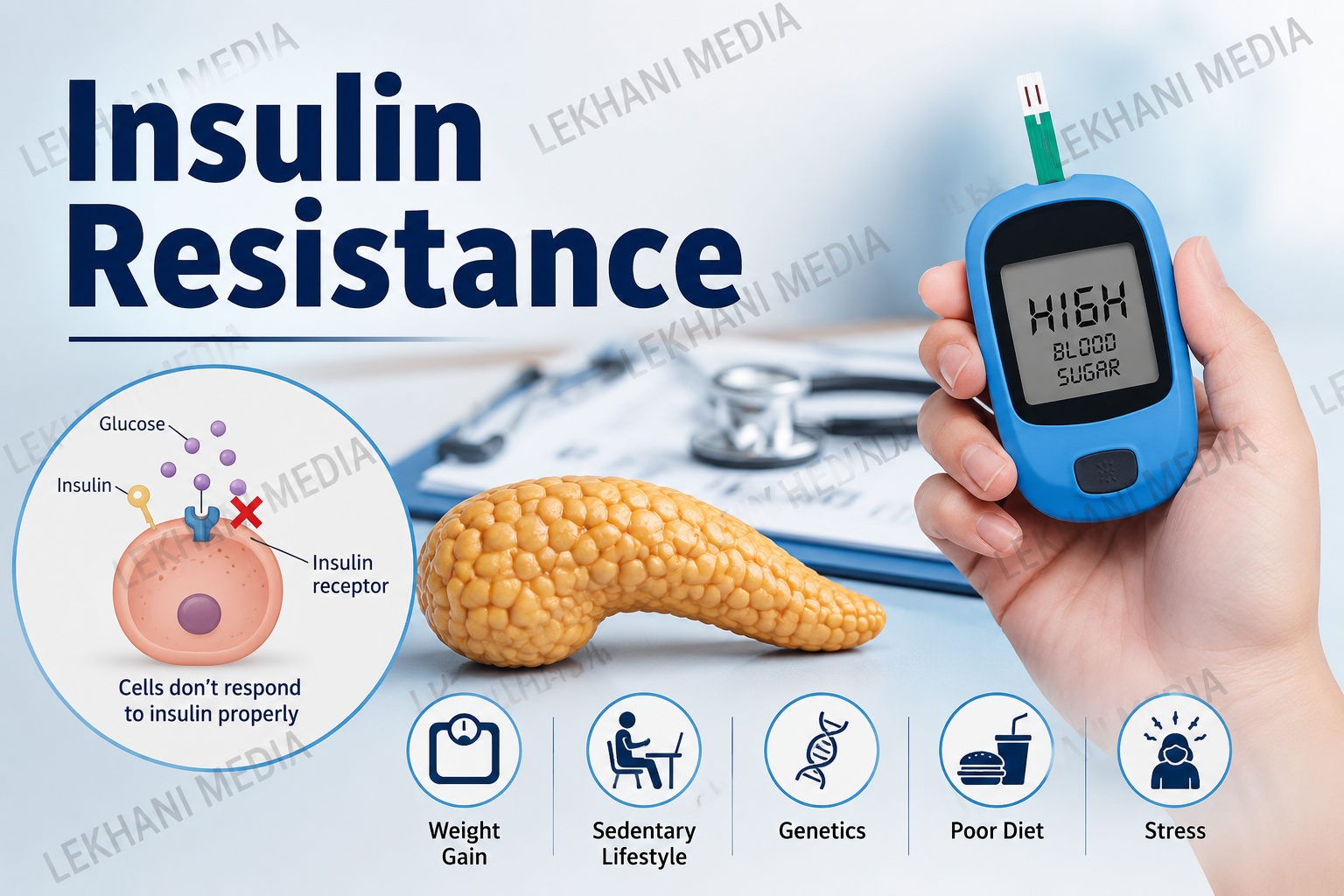
Insulin resistance has quietly emerged as one of the biggest lifestyle-related health concerns worldwide. Often developing without noticeable symptoms in the early stages, the condition can gradually increase the risk of Type 2 diabetes, heart disease, obesity, fatty liver disease, and several metabolic disorders.
Medical experts warn that poor eating habits, sedentary lifestyles, chronic stress, and rising obesity levels are contributing to a sharp increase in insulin resistance cases, especially among young adults.
Understanding the causes, symptoms, preventive measures, and available treatment options is essential for long-term health.
What Is Insulin Resistance?
Insulin is a hormone produced by the pancreas that helps the body move glucose from the bloodstream into cells for energy. In people with insulin resistance, the body’s cells stop responding efficiently to insulin.
As a result, the pancreas produces more insulin to maintain normal blood sugar levels. Over time, this extra strain can lead to elevated blood sugar, prediabetes, and eventually Type 2 diabetes.
Health experts describe insulin resistance as a metabolic imbalance that may remain hidden for years before diagnosis.
Major Reasons Behind Insulin Resistance
1. Excess Belly Fat and Obesity
One of the strongest contributors to insulin resistance is excess abdominal fat. Fat tissue, especially around the waist, releases inflammatory chemicals that interfere with the body’s ability to use insulin properly.
2. Lack of Physical Activity
A sedentary routine significantly reduces insulin sensitivity. When muscles are inactive, the body struggles to use glucose efficiently, increasing insulin demand.
3. Unhealthy Eating Patterns
Diets high in refined carbohydrates, sugary drinks, processed foods, and fast food are strongly associated with insulin resistance. Frequent blood sugar spikes force the body to produce more insulin repeatedly.
4. Chronic Stress
Long-term stress raises cortisol levels, a hormone that can disrupt blood sugar balance and worsen insulin resistance.
5. Poor Sleep Quality
Insufficient sleep and sleep disorders such as sleep apnea negatively affect hormone regulation and glucose metabolism.
6. Genetic Factors
People with a family history of diabetes or metabolic disorders may be more vulnerable to insulin resistance.
7. Hormonal Conditions
Hormonal disorders such as Polycystic Ovary Syndrome (PCOS) are closely linked to insulin resistance.
Early Symptoms People Should Not Ignore
Insulin resistance often develops gradually, making early diagnosis difficult. However, doctors say the following warning signs should not be ignored:
Persistent fatigue, especially after meals
Increased hunger and sugar cravings
Difficulty losing weight
Weight gain around the abdomen
Darkened skin patches around the neck or underarms
Brain fog or lack of concentration
High blood pressure
Elevated cholesterol levels
Many individuals remain unaware of the condition until routine blood tests reveal abnormal sugar levels.
Precautions to Prevent Insulin Resistance
Health experts believe lifestyle changes remain the most effective defense against insulin resistance.
Maintain a Healthy Body Weight
Even modest weight loss can improve insulin sensitivity and reduce health risks.
Follow a Balanced Diet
Nutrition plays a crucial role in controlling insulin resistance. Experts recommend including:
Whole grains
Fresh vegetables
Fiber-rich foods
Lean proteins
Healthy fats
Nuts and seeds
People should limit consumption of:
Sugary beverages
Refined flour products
Packaged snacks
Deep-fried foods
Excessive processed foods
Exercise Regularly
At least 30 minutes of moderate physical activity most days of the week can significantly improve glucose metabolism.
Walking, cycling, jogging, yoga, and strength training are considered highly beneficial.
Improve Sleep Quality
Adults should aim for 7 to 8 hours of uninterrupted sleep every night.
Manage Stress Effectively
Meditation, yoga, breathing exercises, and mindfulness techniques may help lower stress hormones that contribute to insulin resistance.
Get Regular Health Checkups
People with obesity, PCOS, high cholesterol, or a family history of diabetes should undergo regular blood sugar screening.
Can Insulin Resistance Be Reversed?
Medical professionals say insulin resistance can often be reversed, especially when identified early.
Although there is no instant cure, consistent lifestyle modifications can restore insulin sensitivity and prevent progression to Type 2 diabetes.
Experts emphasize that early intervention is critical.
Effective Ways to Reverse Insulin Resistance
Weight Management
Reducing body fat helps the body respond more effectively to insulin.
Low-Carbohydrate and High-Fiber Diet
Fiber-rich foods slow glucose absorption and help stabilize blood sugar levels.
Regular Exercise
Physical activity enables muscles to absorb glucose more efficiently without requiring excessive insulin.
Intermittent Fasting
Some studies suggest intermittent fasting may improve insulin sensitivity when practiced safely under medical supervision.
Medical Treatment
In certain cases, doctors may prescribe medications such as metformin to improve insulin response.
Staying Hydrated
Adequate water intake supports metabolism and overall body function.
Best Foods for Improving Insulin Sensitivity
Nutrition experts often recommend the following foods for better insulin control:
Leafy green vegetables
Oats
Beans and lentils
Fatty fish
Berries
Olive oil
Nuts and seeds
Cinnamon
Green tea
Foods That May Worsen Insulin Resistance
Experts advise limiting or avoiding:
Sugary desserts
Soft drinks
Fast food
Bakery products
Packaged snacks
Processed meats
Excess refined rice and flour
Who Is Most at Risk?
The following groups are considered more vulnerable to insulin resistance:
Overweight or obese individuals
People with PCOS
Individuals with a family history of diabetes
Smokers
People with sedentary lifestyles
Those with high blood pressure or cholesterol
Why Early Diagnosis Matters
If left untreated, insulin resistance can eventually lead to severe health complications, including:
Type 2 diabetes
Heart disease
Stroke
Kidney disease
Fatty liver disease
Doctors commonly recommend tests such as fasting blood sugar, HbA1c, fasting insulin, and lipid profile to assess metabolic health.
Conclusion
Insulin resistance is increasingly becoming a major public health concern driven by modern lifestyle habits. The condition may remain silent for years, but its long-term impact on health can be serious.
The encouraging reality, however, is that insulin resistance can often be prevented and even reversed through healthier food choices, regular exercise, weight management, proper sleep, and timely medical guidance.
Health experts strongly advise individuals experiencing symptoms or carrying risk factors to seek medical evaluation early rather than waiting for diabetes-related complications to develop.
Comments (0)
No comments yet. Be the first to share your thoughts!